BetaFPV Artlynk: A Budget Digital FPV Revolution in 2026
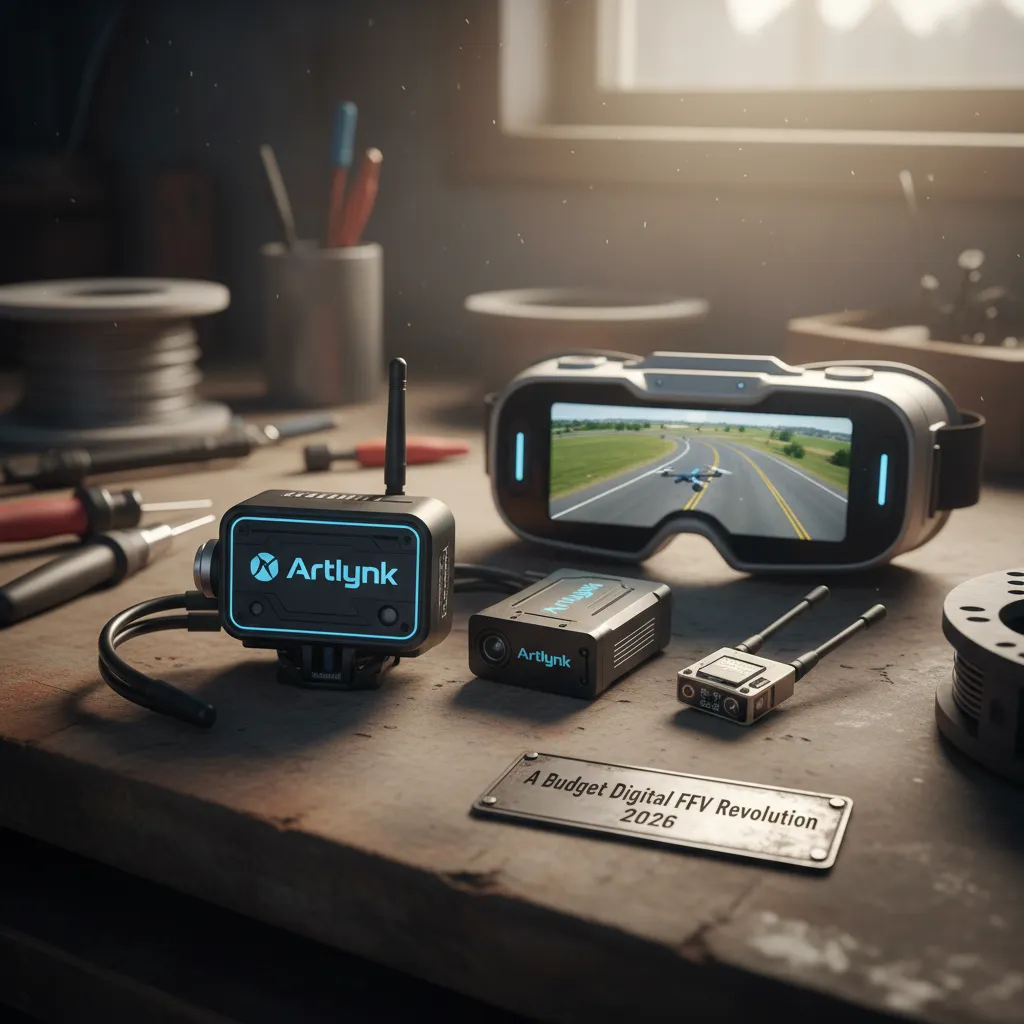
Last January, I dove headfirst into BetaFPV’s Artlynk FPV System to see if it really delivers high-def digital video on an analog price tag. My journey began with the Aquila20 HD drone, pushing its limits and uncovering surprises from jaw-dropping visuals to unexpected latency quirks. If you’re hunting for affordable digital FPV without selling a kidney, this might just be your golden ticket.
TL;DR: BetaFPV’s Artlynk system brings digital clarity at analog prices with impressive range and light hardware, but latency and DVR quirks hold it back from high-speed racing perfection.
Launching the BetaFPV Artlynk Experience with Aquila20 HD Kit
On January 4th, 2026, I took my first flight with the BetaFPV Artlynk Digital FPV System, starting with the Aquila20 HD Kit. This kit pairs the P1 Air Unit HD VTX—powered by the Artosyn chipset—with the VR04 HD FPV Goggles, promising a true digital leap at a price point that rivals analog setups. Right from takeoff, the difference was obvious: image clarity soared far beyond the blurry visuals I’d grown used to with analog. Distant objects, tiny branches, and high-contrast scenes all popped with new life, making it clear that digital video quality is a game-changer for budget pilots.
The Aquila20 HD Kit is designed for accessibility and performance. The P1 Air Unit, camera, and antenna together weigh just 7.1g—an ideal fit for lightweight drone builds. The VR04 goggles, with a single LCD and USB-charged dual 18650 cells, are surprisingly comfortable. I could even wear my glasses inside, thanks to the roomy faceplate. The goggles’ telemetry display at the bottom of the screen kept me informed about signal strength and battery life, all while keeping the system affordable and practical.
While the Artlynk system doesn’t quite match the crystal-clear visuals of the DJI O4, it comes impressively close for a fraction of the price. As FPV Tech Insider put it:
The Artlynk system punches well above its weight for digital-level visuals at analog prices.
Range was another pleasant surprise. BetaFPV claims 400m+ on the Aquila20, but I routinely flew past 500 meters on the standard 200mW output with a basic PCB antenna. This shows just how much potential the system has, especially for those willing to experiment with higher power or upgraded antennas.
Setup was refreshingly simple. The P1 Air Unit uses a familiar 6-pin connector, making it easy to swap into other drones. Camera settings like sharpness, contrast, and exposure are all adjustable, and I found the 16:9 aspect ratio delivered the most immersive view.
For anyone looking to step up from analog without breaking the bank, the BetaFPV Artlynk and Aquila20 HD Kit offer a compelling, affordable HD system that’s shaking up the entry-level FPV market.
Signal Range and Real-World Flying: Breaking the 400m Promise
When BetaFPV announced the Artlynk system with an official signal range of 400+ meters, I was curious but a bit skeptical. Budget FPV gear often promises big, but real-world flying can be less forgiving. My first flights with the Aquila20 HD, powered by the P1 HD VTX and paired with the VR04 HD goggles, quickly put those doubts to rest. On standard 200mW output and using nothing but the included PCB antenna on the VTX and simple dipole antennas on the goggles, I consistently pushed past 500 meters—well beyond the advertised range.
This signal range analysis was eye-opening. The Artlynk system didn’t just meet its promise; it comfortably surpassed it, even on basic hardware. Penetration through light foliage and around mild obstacles was solid, and I never felt like I was flying blind. The interface cues on the goggles, inspired by DJI and Walksnail, played a big part in boosting my confidence. As I approached the edge of the range, the screen edges glowed yellow, then red, giving me plenty of warning before any real signal drop occurred. It’s a simple feature, but it makes a huge difference for pilot safety and peace of mind.
What’s even more exciting is the potential for future upgrades. If 500+ meters is possible on stock antennas and 200mW, imagine what’s achievable with a higher-powered VTX or a quality patch antenna. As one pilot in the community put it:
“Exceeding advertised range on stock antennas hints at untapped potential in the Artlynk ecosystem.”
- FPV Pilot Community
For anyone chasing budget FPV 2026 options, this is a big deal. The Artlynk system’s feather-light design doesn’t sacrifice performance. The P1 HD VTX, even with its modest output, shows that smart engineering and digital processing can make a world of difference. I found myself flying further and with more confidence than I ever did on analog, and the clear, timely range warnings meant I never had to guess when to turn back.
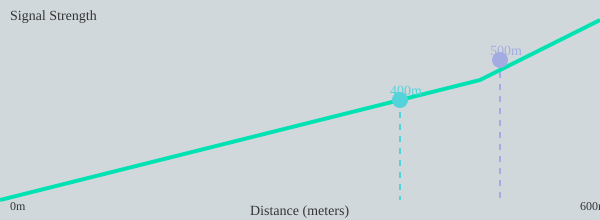
In summary, the BetaFPV Artlynk’s signal range isn’t just marketing hype. It’s a real, measurable leap for affordable digital FPV, with plenty of room to grow as the system matures.
Latency and Video Recording: The Double-Edged Sword of Digital FPV
One of the first things I noticed when flying with the Artlynk FPV system was the latency. With Artlynk FPV Latency clocking in at around 67ms, it’s nearly double what you get with analog (17ms) and significantly higher than the DJI O4’s 33ms at 100fps. For casual cruising or fixed-wing flights, this isn’t a dealbreaker—the digital clarity more than makes up for the slight delay. But if you’re into high-speed racing or threading tight gaps, that extra latency is hard to ignore. As one pilot put it:
“The latency means you need to adjust your flying style for digital HD; precision racing still favors analog or top-tier systems.” – Drone Racer Pro
I found myself slowing down and planning moves a split second earlier, especially when flying proximity lines. The Artlynk FPV Latency simply doesn’t offer the snappy, instantaneous feel that analog or DJI O4 delivers. For freestyle pilots or racers, this is the system’s biggest drawback right now.
DVR Recording: No Onboard, Only Goggles
Another trade-off comes with video recording. The P1 Air Unit doesn’t have onboard DVR—so all your flight footage is captured via the goggles’ DVR at 1080p 60fps. You can choose between 8Mbps and 24Mbps bitrate. While the higher bitrate does offer slightly better clarity, it’s not a game-changer. And because the recording happens in the goggles, any signal drop or interference instantly shows up as blur or choppiness in your footage.
- No onboard DVR on the P1 Air Unit
- DVR files saved at 1080p 60fps, 8Mbps or 24Mbps
- Signal drops = recording artifacts
DVR Playback and Telemetry Overlays
A surprising hiccup was DVR Playback compatibility. Files often showed “Media Offline” in DaVinci Resolve or lagged in VLC. My workaround? Running the files through GoPro Player first, which solved most issues—but it’s an extra step I hope BetaFPV addresses soon.
Instead of burning OSD data into the video, Artlynk saves telemetry (signal strength, voltage, distance, bitrate) as a separate .SRT file. You can overlay this in post, similar to early DJI FPV systems. While functional, I’d love to see direct OSD overlays in future updates.
All in all, the digital leap is real, but latency challenges and DVR quirks temper the system’s otherwise compelling digital features.
VR04 HD FPV Goggles: Comfort Meets Cost-Effective Tech
When I first slipped on the VR04 HD FPV Goggles, I immediately noticed how BetaFPV prioritized comfort and value—two things that matter most for budget FPV in 2026. The single LCD design may sound basic, but it’s a smart move for keeping costs down while still delivering surprisingly crisp digital visuals. For anyone used to analog fuzz, the jump in image clarity is a revelation, and the VR04 performance genuinely makes HD FPV goggles accessible to more pilots than ever.
One of my favorite features is the generous faceplate space. As someone who wears glasses, I could fly for extended sessions without any discomfort or awkward pressure points. The faceplate seals well, blocking out stray light, and the goggles never felt too tight or heavy, even during long flights. This is a big plus for anyone who spends hours in the air or prefers a relaxed fit.
The battery setup is another thoughtful touch. Instead of a built-in pack, the VR04 uses two standard 18650 Li-ion cells, tucked neatly into a holder at the back of your head. Not only does this help balance the goggles on your face, but USB charging means you can top up anywhere—no proprietary chargers needed. For pilots on the go, this practical convenience is a game-changer.
While the VR04 HD FPV Goggles are bulkier than something like DJI Goggles 3, the overall system weight—especially when paired with the featherweight P1 Air Unit (just 7.1g for VTX, camera, and antenna)—keeps your drone build light and agile. This lightweight system directly enhances flight performance, especially for micro drones or builds where every gram counts.
Telemetry information appears at the bottom of the screen, giving you essential stats like signal strength and voltage without cluttering your view. The goggles are designed exclusively for the Artlynk system, which means setup is straightforward and compatibility headaches are rare.
These goggles prove you don’t need cutting-edge to get comfortable and clear FPV visuals at a great price.
— FPV Gear Reviewer
For anyone looking for budget FPV in 2026, the VR04 HD FPV Goggles hit a sweet spot between affordability, comfort, and digital clarity. Here’s a quick look at the key specs:
| Battery Type | Two 18650 Li-ion cells |
|---|---|
| Charging | USB port charging |
| System Weight (VTX + Camera + Antenna) | 7.1g |
Ecosystem and Future Potential: Navigating Growing Pains
When I first powered up the BetaFPV Artlynk system on January 4th, 2026, I knew I was witnessing the start of something new in the world of Budget FPV 2026. But as with any fresh platform, Artlynk’s ecosystem is still finding its footing. Right now, the hardware options are limited—if you want to fly Artlynk, you’re mostly looking at BetaFPV’s own drones, the P1 Air Unit, and the VR04 HD FPV Goggles. Compared to the sprawling hardware choices available for DJI or Walksnail, Artlynk’s selection feels modest, but it’s steadily growing.
Firmware integration is another area where Artlynk is still catching up. The lack of Betaflight OSD support is a common pain point I’ve seen echoed across community discussion forums. Many pilots, myself included, are eager for deeper firmware compatibility—especially with popular alternatives like INAV. The good news is that BetaFPV seems to be listening. Community discussions are already shaping the roadmap, with requests for onboard OSD overlays and a dedicated VRX receiver topping the wish lists. As one FPV firmware developer put it:
“The system’s potential lies in firmware tweaks and community-driven enhancements.”
These conversations aren’t just idle chatter. They’re fueling real improvements. Each firmware update brings fixes for issues like overheating, DVR playback quirks, and even latency. It’s clear that BetaFPV is committed to making Artlynk a contender, and the community’s feedback is driving practical, pilot-focused upgrades. The platform’s lightweight design, affordable price, and digital-first approach have already galvanized excitement, especially among those of us who have longed for a true analog-to-digital upgrade path without breaking the bank.
Of course, the journey isn’t without its bumps. The current ecosystem is smaller and less mature than the industry giants, and firmware limitations—like the absence of Betaflight OSD and VRX support—still restrict immediate expansion. But I see these as growing pains, not dead ends. Kits and bundles are already available on BetaFPV, AliExpress, and Banggood (don’t forget coupon code BG5feaef), making it easier than ever to dive in.
In the end, Artlynk’s story is just beginning. With every firmware update and each new piece of compatible hardware, the platform edges closer to maturity. For now, it stands as a bold, affordable alternative in the digital FPV space—one that’s evolving quickly, thanks to the passion and input of its growing community. I’ll be watching closely, because if the past months are any indication, the best is yet to come.

