FPV Winter Flying: Mastering Cold Weather Drone Tips
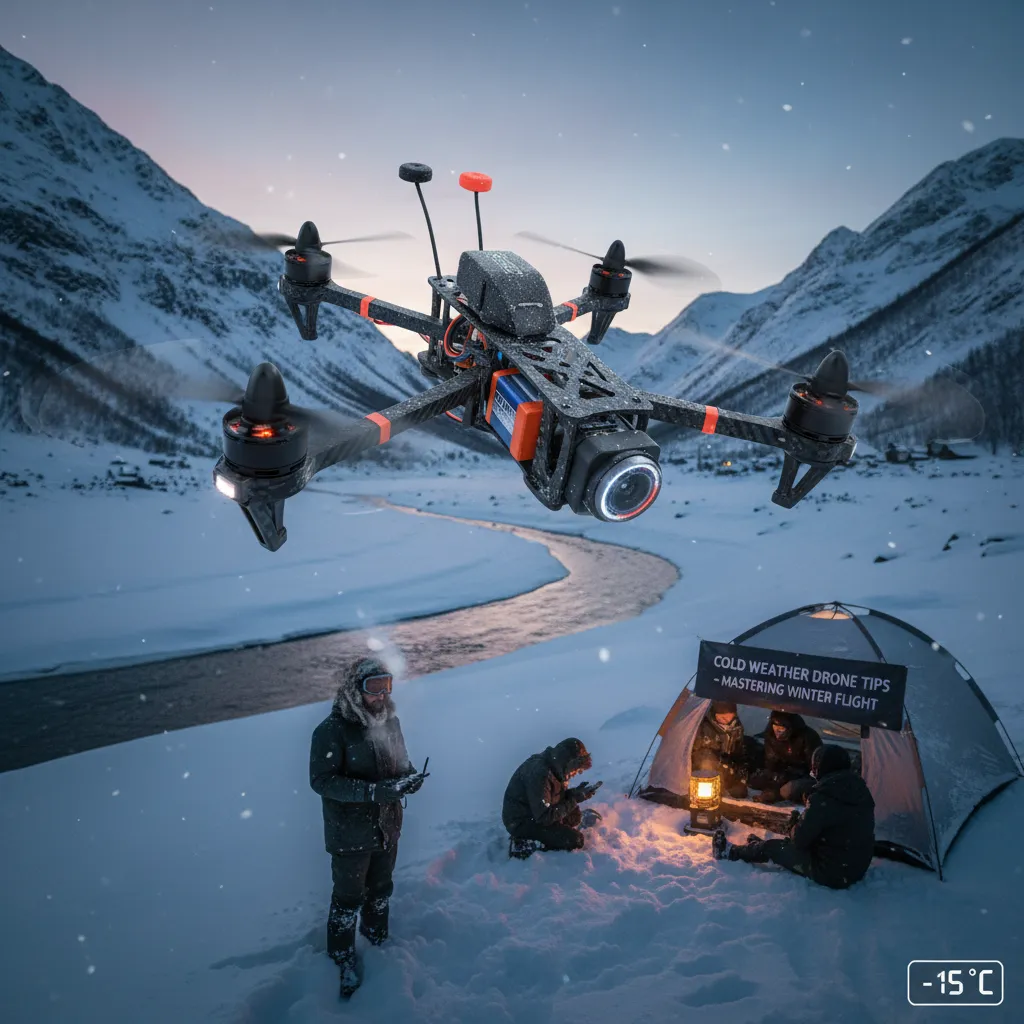
Winter flying is no walk in the park, especially with FPV drones. Over more than a decade, I've faced biting winds and tricky tech challenges that forced me to rethink everything—from battery management to hand warmth. In this guide, I'll share personal stories and gear-tested tips that have kept my drones buzzing and my spirit warm even when the temperatures plunge.
TL;DR: Flying FPV drones in winter demands more than just courage—battery maintenance, protective gear, and smart prepping are key. Use heated gloves, warm batteries, prevent goggle fogging, and plan flights carefully to enjoy cold weather flying safely and with style.
Winter Battery Care: Keeping Power From Freezing Out
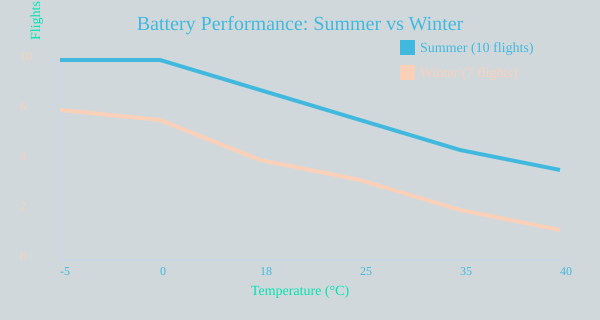
If you’ve ever tried FPV winter flying, you know that battery care in winter is the difference between a quick, disappointing session and a day full of epic flights. Cold weather is brutal on LiPo and Li-ion batteries—below 18°C (64°F), battery performance in cold drops fast, and the magic number for ideal output is 35°C (95°F). I learned this the hard way: what gives me 10 flights in summer barely stretches to 7 in the winter chill. The cold doesn’t just shorten flight time; it can cause voltage sag, sudden power loss, and even permanent battery damage if you’re not careful.
“Keeping batteries warm is the secret out there — I always stash mine in a heated case or close to my body to keep them alive in winter cold.”
How I Keep My Batteries Warm for Winter FPV Flying
- Pockets and Hand Warmers: My first trick was simple: spare batteries go in my inner jacket pockets, or I use them as makeshift hand warmers between flights. The warmth from my body keeps them above that critical 18°C threshold.
- Heated Battery Cases: For serious sessions, I rely on the iFlight Heated Battery Case. It’s temperature adjustable from 30°C to 60°C and runs off LiPo, Li-ion, or a USB power bank. I reviewed it in depth, and it’s now a staple in my FPV winter flying kit.
- Bubble Wrap and Insulation: When I’m traveling light, I wrap my battery packs in bubble insulation foil. It’s cheap, light, and surprisingly effective at holding in heat between flights.
Why Battery Temperature Maintenance Matters
Battery output power actually builds up during flight as the pack warms, but if you start cold, you risk voltage drops and shorter flights. Always launch with your batteries as close to 35°C as possible for maximum punch and safe discharge.
Winter Battery Storage Tips
- Never leave LiPo packs fully charged in the cold for long periods—store at 3.8V–3.85V per cell in a fireproof container.
- If you’re not flying for weeks, keep batteries isolated and safe, ideally indoors.
Keeping batteries warm is the secret out there — I always stash mine in a heated case or close to my body to keep them alive in winter cold.
Battling the Cold: Staying Warm and Operational
If you’ve ever tried FPV winter flying, you know that cold weather tests your limits in unexpected ways. The biggest lesson I’ve learned after years of chasing frosty sunsets? Protecting your hands is absolutely vital. Sore, numb fingers threaten control and precision far more than icy winds or snow. That’s why my top cold weather tip is simple: dress appropriately, and never underestimate the power of heated gloves or transmitter gloves in winter.
Finding heated gloves was a game changer — no more frozen fingers ruining a perfect flight. I use gloves that plug into a 5V power bank, delivering a steady 45–50°C of warmth right across the backs of my hands. They’re slim enough to fit under my transmitter, so I never lose that tactile feel on the sticks. For longer sessions, I keep a spare power bank handy, swapping it out when needed.
Before discovering heated gloves, I relied on transmitter gloves (sometimes called transmitter mitts). These are like cozy tents for your hands and radio, shielding both from the wind. They work especially well with radios like the Radiomaster TX16S or Boxer. The only quirk? The plastic window can sag onto the sticks, but a bit of cardboard fixes that fast. It’s a small tweak for a big boost in comfort and control.
For those days when I need quick, flexible warmth, disposable hand warmers are my go-to. At just $0.5 a pack, they slip easily into gloves or pockets and keep working for up to eight hours. They’re perfect for extended missions or as backup when the temperature really drops. If you fly often, rechargeable hand warmers are a smart investment — they double as power banks and are easy to recharge between flights.
| Solution | Warmth/Duration | Cost |
|---|---|---|
| Heated Gloves | 45–50°C | Varies |
| Disposable Hand Warmers | Up to 8 hours | ~$0.5/pack |
Staying operational in the cold is about more than just layering up. It’s about smart gear choices: heated gloves for nimble fingers, transmitter gloves for all-around protection, and hand warmers for reliable, portable heat. These simple strategies keep me flying — and enjoying every winter session — no matter how low the temperature drops.
Conformal Coating and Hardware Care: Shields Against Winter’s Bite
After years of winter FPV flying, I’ve learned that conformal coating and smart hardware care are the unsung heroes that keep your drone in the air when snow and condensation threaten to ground you. Winter isn’t just about cold fingers—it’s about protecting your electronics from the silent creep of moisture and the brittleness that cold brings to plastics and tapes.
The first time I lost a quad to condensation, I realized that waterproofing isn’t just for water—it's your defense against winter moisture sneaking into your electronics. Snow melts fast on a warm ESC or flight controller, and even a quick walk from the cold into a heated room can cause condensation inside your drone. That’s why I always apply a silicon-based conformal coating to all exposed electronics—flight controllers, ESCs, and video transmitters. This thin, clear layer acts as a shield, preventing snow, fog, or melted ice from causing shorts or corrosion. I recommend using a UV-reactive coating; it’s easy to check coverage with a cheap UV flashlight.
But weather sealing doesn’t stop at coating. My winter routine includes sealing my drone in a ziplock or lipo bag immediately after flying, while still outside. I only open it indoors once the temperature has equalized. This simple step prevents condensation from forming inside the drone—a lesson learned after seeing fried boards from rushing inside too soon. If you crash in snow, shake off as much as you can, then use canned air or a gentle hairdryer to dry things out before storing.
- Apply silicon-based conformal coating to all electronics for moisture protection.
- Store drones in sealed bags outdoors until they reach room temperature to avoid condensation damage.
- Carry spare parts and waterproof gear; plastics, TPU, and tapes become brittle and lose grip in the cold.
I always pack extra propellers, nylon locknuts, and a roll of electrical tape—cold weather makes plastics and adhesives more likely to crack or fail. A crash that would be a non-event in summer can snap a brittle arm or shatter a prop in freezing temps. Careful handling, regular checks, and cold weather precautions like weather sealing and proper storage are what keep my gear flying season after season.
Flight Path and Visibility: Navigating Winter’s Visual Challenges
If you’ve ever flown FPV in winter, you know the landscape transforms into a dazzling—but sometimes deceptive—canvas. After a decade of braving snowfields and icy winds, I’ve learned that flight path planning and managing visibility issues are just as important as keeping your fingers warm.
Flat Snow and Depth Perception
One of the first lessons I learned: flying over flat snow under cloudy skies is a recipe for depth perception trouble. The world turns into a white sheet, and obstacles—fences, dips, even trees—blend into the background. On days like these, I plan my flight paths to avoid featureless stretches and instead use landmarks, tree lines, or shadowed areas for visual reference. When the sun is out, shadows on the snow create contrast and make it much easier to judge distance and altitude. If you can, fly when the light is sharp and the snow throws clear shadows—it’s like flipping on high-definition mode for your eyes.
Landing Pad Snow Solutions
Another winter challenge: snow on your takeoff and landing spots. I always bring a landing pad—it’s a simple fix that keeps my drone’s motors and camera clear of snow and slush. A pad also prevents snow from packing into the props or gimbal on landing, which can freeze and damage your gear. Even a foldable camping mat or a piece of cardboard works in a pinch. Trust me, a dry landing is worth the extra minute of setup.
Goggle Fogging: The Silent Flight Killer
Fogged FPV goggles have ruined more flights for me than any battery or signal issue. As I always say,
Nothing beats warm goggles; fogged lenses can turn a perfect flight into a frustrating blur.
To prevent goggle fogging, I pre-warm my goggles on my forehead or plug them in for ten minutes before heading out. Some pilots use goggle fans, which work wonders, especially if you’re sweating under a hat. If you forget, even a quick blast of warm breath inside the goggles (before you go outside!) can help. Don’t underestimate this step—clear vision is everything.
Visibility Tools and Pre-Flight Checks
- Use brightly colored props or tape to help spot your drone against the snow.
- Test all equipment, especially GPS and video signals, before launching into the cold.
- Plan flights for clear, sunny weather when possible to maximize visual contrast.
Winter flying is all about adapting. With a little planning and the right gear, even the iciest day becomes an opportunity for crisp, unforgettable flights.
Creative Cold-Weather Adaptations: From Car Flights to Simulators
If you’ve ever tried winter FPV flying, you know the cold isn’t just a backdrop—it’s a challenge that demands creativity. Over the years, I’ve learned that adaptability is everything. When the wind knocks the chill through your bones, a car-bound flight or simulator can keep the passion alive.
On those days when the cold bites hardest, I often turn my car into a makeshift cockpit. By parking with the windshield facing my flight zone, I can fly from the warmth of my car interior. The glass lets signals through better than metal, but range can still drop, so I always test my setup before venturing far. Using external antennas—like an SMA extender with a magnetic base—makes a huge difference, letting me enjoy winter FPV flying without frozen fingers. It’s a simple cold weather precaution that keeps me flying longer and safer, especially when the mercury plummets.
But sometimes, even the car isn’t enough. When snowstorms rage or daylight slips away, I turn to FPV simulators. These digital playgrounds are more than just a backup—they’re a way to keep my reflexes sharp and my mind engaged. Modern simulators, many of which I’ve reviewed in detail, offer realistic flight physics and diverse winter landscapes. Practicing in a sim isn’t just about passing time; it’s about honing skills and staying connected to the hobby, no matter what the weather throws at you.
And for those days when I crave the buzz of real props but can’t face the cold, my Tiny Whoop comes out. These little drones transform my living room into a winter flying playground, letting me weave through furniture and dodge imaginary obstacles. It’s not just fun—it’s a great way to keep your thumbs nimble and your enthusiasm high when outdoor flying isn’t an option.
In the end, winter FPV flying is about more than braving the elements—it’s about finding new ways to adapt and keep the adventure alive. Whether you’re flying from the comfort of your car, mastering new tricks in a simulator, or zipping a Tiny Whoop around the house, these creative cold-weather adaptations ensure that the cold never grounds your spirit. Stay prepared, stay curious, and let winter become another chapter in your FPV journey.


